AuthorJanel Briggs Categories
All
|
Back to Blog
Busting the Vicious Cycle of Self-Doubt29/1/2024 How you shut down the nagging voice of self-doubt that questions your cabilities, worth and decisions when she shows up? As people return to work in January a common theme I hear from clients after a period of “time off” is that this is when the self-doubt begins to sneak in (again). Whispering those negative thoughts and planting seeds of insecurity. When stop and take time off the work-life busy rat race, it can be hard to get back on it. Specifically when self-doubt is a pattern of thinking has become a comfortable habit; a habit that doesn’t serve you. But where does this self-doubt come from? Understanding the Roots Often its rooted in past experiences, societal expectations, or comparisons we have and make with others. The first step to relieving self-doubt is to recognise the thought patterns and honestly understand that your worth isn’t defined by external factors. The Mindset Coaching Approach Once you notice the pattern it’s crucial to break the cycle of thought that is constantly questioning your capabilities and decisions. But how do you do that? You've got to explore it: Q: What are you doubting? Q: Why are you doubting yourself and your capabilities? Q: If doubt wasn’t holding you back what would you be doing, believing or feeling? Rewrite the Negative Narrative Then tap into the positive thought spectrum that is already within each one of us. The simplest coaching tool I can share with you is - using Positive Affirmations - to rewire your mind's thoughts from words of DOUBT to self-BELIEF. Affirmations are positive statements that you repeat to yourself regularly to challenge and overcome self-sabotaging and negative thoughts. They act as a reset buttong for your mind. By consistently repeating the same phrases, you're rewiring your brain to focus on your strengths rather than weaknesses. They’re like a daily dose of inspo for your soul really, that reshapes your mindset. I’ve been using affirmations daily in my own life since 2017, and it’s the number one reason why I created Learn to Thrive Morning Journal. Affirmations helped me in my darkest days, battling anxiety and crippling self-doubt to remember that “Today and every day I am enough”. Instead of waking up every day and listening to all the negatives your mind wants to throw at you… all the “I cant’s” and “I dont’s” or “not enough’s” you take charge and affirm your worth, strength and capabilities. This tool when practiced consistently helps your mind in 3 ways:
Crafting Your AffirmationsThere are a few things to remember when crafting your own positive affirmations. They need to be short impactful statements focusing the mind on what you want. BE Positive and Present: Affirmations should be written or spoken in positive present tense verbage, avoiding negative words. Refrain from using words like not, dont, wont which all have a negative connotation. For example, "I am confident and capable" instead of "I will NOT doubt myself". BE Specific: Steer clear of generic statements, be specific about the qualities, attributes or goals you want to bring into your life and focus on. For example, "I am capable of handing any challenges that come my way today" instead of "I am resilient". Be Repetitive: The power is in repetition. Read, write, speak the same affirmations for at least 60-90 days. Let them become your mantra that propels you forward. Watch as your belief in these affirmations grows. If you're new to this practice download a copy of my free affirmations list and let that be your guide. Every Monday over on Instagram I help kick off your week with 5 Positive Affirmations ...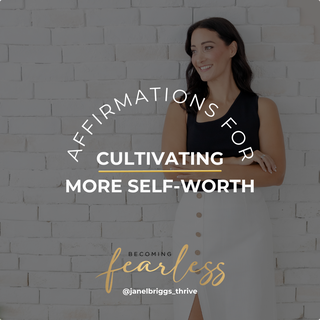 (watch this and save for later!) The Mindset Shift Lastly, we need to dream bigger and bust any roadblock to the amazing life and career you are here for! Ask yourself: Q: What is doubt truly holding you back from? Q: If you assumed you had the skills, resources and resilience… what would change for you? Q: If doubt wasn’t in the picture, what could become possible for you? You mind is a powerful force. When you fill it with positive thoughts, your life will start to change. Above all else... just be kind to yourself.  About the Author:
Janel Briggs is an Author, Mindset Coach, Practitioner of NLP and Timeline Therapy on a mission to support women across the world in overcoming their anxiety - personal insecurities and professional fears - to build unwavering confidence and self-belief. Mindset Coaching aims to help you fearlessly elevate your life and career, and more importantly the relationship you have with yourself! Connect with Janel on social media via Linkedin or Instagram.
0 Comments
Back to Blog
 We all have limiting beliefs. They’re those pesky, damaging, and deeply ingrained thoughts that’ve been there for years. So long in fact that we’ve become convinced that they must be true. They’re not. Trust me. I’ve been there and come out the other side and want you too as well. So what are limiting beliefs? Where did them come from? And how can we get rid of them? Limiting beliefs reach across all aspects of your life. They’re thoughts or opinions that negatively impact your relationships, growth, and moving forward. They’re the little (or loud) voice saying… I’m not good enough, smart enough, pretty enough. I’m too loud, too much, too clumsy. I don’t deserve this. I could never do that. I know I’m going to fail. During my study of timeline therapy and Neuro Linguistics Programming (NLP) coaching certification, I came to understand, and now coach, that most of our core beliefs, or how we feel or what we think about ourselves, are language patterns and programming from childhood. They’re developed when we’re young from a particular moment (or moments) in time. Influenced by family, friends, culture, school, or society in general, someone said something, or you overheard something and, for better or for worse, you decided (consciously or unconsciously) to take on their opinion or label and carry it as your own. As your truth. You start believing what you heard. And over the months, years, and decades, the words become ingrained “truths” and limiting beliefs that end up adversely effecting and impacting your confidence, self-esteem, and self-belief. And as we humans tend to do, we remember these negatives much more than the positives, making so much easier to believe these un-truths. So now that we’ve talked about what limiting beliefs are and where they come from, let’s talk about two ways STOP and reverse these thought and beliefs about yourself. AFFIRM\NATIONS
Affirmation are essential in countering decades of negative programming, self-talk, and limiting beliefs. The three steps to using affirmations are personalisation, repetition, and trust. Personalisation Make sure your affirmations are specific and personalised to you. Start each statement with “I am…” and make sure they are ALWAYS positive. No won’ts, don’ts, or I’ll try’s. Think “I am brave” or “I am courageous”, not “I wish I was brave” or “I want to be courageous”. Repetition Repeat, repeat, repeat. Write your affirmation in your journal (you can get mine here). Record and listen to them on your phone. Put sticky notes up around your home. Write, read, and hear them often. Use the same affirmations day in and day out until you truly feel and believe each statement. Trust As difficult (and strange) as it might seem, you really do need to trust the affirmation process. While it won’t happen overnight, repeating your statements focuses the forces of energy to bring light to your desired result. Trust and believe good is coming your way and see the magic unfold. To help you get started, or continue on your affirmation journey, visit my website to download my free 150 Positive Affirmations list. DEEP (GUIDED) WORK While affirmations help you move forward, actually getting rid of limiting beliefs often takes deeper work. The key to this deep work however is doing it with guidance. Trying to “do the work” without guidance can be difficult, frustrating, and potentially upsetting. By having a safe space to discover your underlying limiting beliefs and be guided through a process to transform these into empowering new beliefs you become your own “inner mentor”, confident and able to go forward. So you’re not alone in the deeper work, I run a small and intimate “Silencing Your Inner Critic” group workshop every month. Together over zoom we work together for 2 hours from the comfort of your own home on:
Limiting beliefs are just that, limiting. While they’re familiar and known, they also tend to keep us surviving and not thriving. They keep us stuck in the past unable to make real progress forwards. Instead let’s get you thriving. Let’s get you working on reprograming your beliefs. Let me help you build unwavering self-belief and get rid of your limiting beliefs. If you haven’t already, be sure to subscribe to my blog and YouTube channel. Download your free 150 Positive Affirmation List or get on the wait list for my next Silencing Your Inner Critic online workshop so we can do the deep work together.
Back to Blog
Today’s blog is all about building confidence in the workplace and comes from a recent "Career Mindset Reset" session I had with one of my clients, who was looking for advice on how to feel more confident as she steps into a new role and organization. If you are struggling with confidence at work too - this is your lucky day! I break down my 5 steps to building your confidence at work, focusing on: time, skill, experience, reminders, and self-belief. 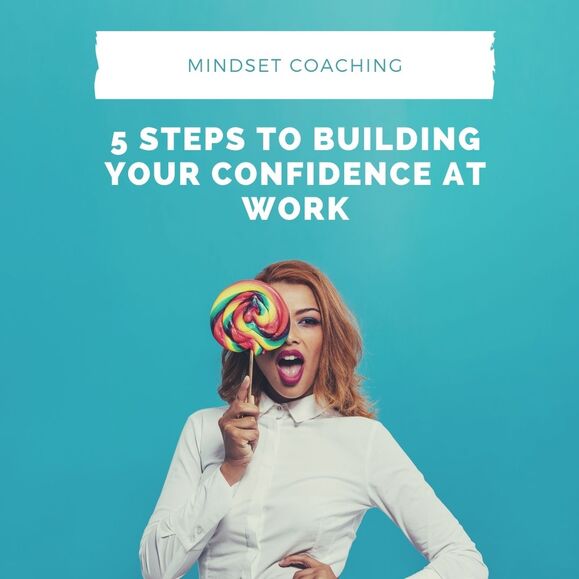 1. TIME Before you feel confident in anything you need time, you need a transition period as you learn and adapt to the role, figure out who’s who in the zoo, start building rapport with your colleagues and boss, and eventually settle into some kind of flow. You simply cannot expect to understand and know everything on day one, week one, or even month one. Learning and confidence takes time, so be kind and don’t rush yourself. Know that things take time, but you will absolutely get there. 2. SKILL If you're in a job, role or business where you don’t feel confident you probably have fears like:
In order to make you feel more confident and capable, first take a look and map out your skillset.
Now look at all of those amazing skills you probably didn’t even realise you had! Amazing isn’t it?! After mapping out your skillset, maybe you realise there are a couple of gaps. Yes? No problem!
Taking the time to map out your skills can help you see everything you already have to offer while also narrowing in on areas you might want some training or assistance with. 3. EXPERIENCE After time to adjust, and the getting to know your skills comes experience. You need experience and practice using your skills and skill sets, because there’s no way you’ll feel confident in something if you have no experience using that skill. You simply cannot expect to be confident and know what you're straight away, especially if it’s a relatively new or unpractised skill. Instead it takes trial and error, daily consistency, and sometimes failing or even sucking at things before you actually learn and have the experience necessary to build up your confidence. Take myself for example. I cringe at some my early mindset coaching videos, but I practiced and learned, and built up my experience so that now I produce better quality content that I’m extremely proud of. I have the experience of trial and error and reflection to feel confident in what I produce. It takes time to build experience, and that’s okay. People understand. And the more you do it and repeat the experiences you’ll build up that confidence. 4. REMINDERS I had a client come to me once and say, "I just don't feel experienced enough", to which I said, "How do you know you aren't? When did you decide? Is this your standard or someone else's?" The next thing I asked her was to create a career timeline and look back asking herself:
In doing this exercise there was a light bulb moment (there always is!) where she realised her lack of confidence was actually coming from her OWN mind. Seeing it in black and white she had the realisation that she’s already achieved so much and actually does have the skills and experience. She just needed to be reminded. 5. SELF-BELIEF Belief in yourself and your skills, abilities, and experience is my last tip in building confidence and helping you see that you ARE capable and anything IS possible. Like everything else, is takes practice to really get comfortable with self-belief, and positive affirmations can absolutely help with this. Writing affirmations in your journal, reading them to yourself, and saying them out loud every single day will 100% embed these positive affirmations into your mind and shift your mindset and confidence. Here a few to get you going:
If you're interested in exploring any of these confidence-boosting tips, I run a single two hour workshop called "Silencing Your Inner Critic" where I help women understand their major limitations and the power of self-belief. If you want to explore more check out my one-on-one coaching offering, comment below, or send me an email ([email protected]). 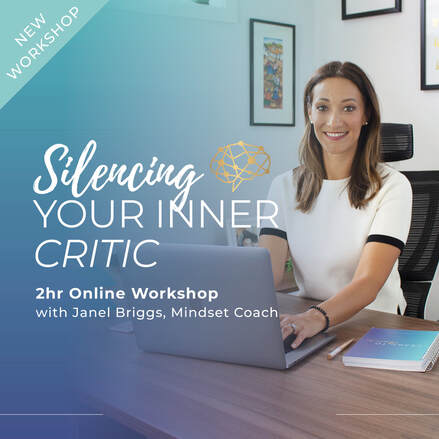
Back to Blog
As a Mindset + Business Coach, the question I’m asked most often is: “Janel, what’s the ONE THING I can do on a regular basis that’ll make the biggest positive difference in my life?”. My answer? 100% your morning routine. The things we do every day make a difference. They make a difference to our mental and physical health and wellbeing, to our mindset, and to how we head into and experience the day. It’s the “little things” we incorporate into our routines and practice every day that can make the biggest overall difference. Now the tips and suggestions I’m about to share with you probably aren’t anything new. Many of us already KNOW the practices that are good for us, the trick is actually DOING those things. Meditate, journal, exercise, eat well; we know these are building blocks to thriving and making us feel better. The difficulty is putting one foot in front of the other to get started… and then to keep it going.  Sometimes the biggest block is that it all just seems so overwhelming… if I'm going to start a new morning routine, then it means I have to get up at 5:00am. Then I need to spend an hour and a half doing ALL THE THINGS to fill my mind, move my body, and get ready mentally and physically for the day. And next? Wham, there's an extra hundred million things to add to an already full morning. Enter your mind saying, “This is too hard. There’s too much to do. Forget it. No deal.” Now stop. First, don't think about the 50 million things you have to do tomorrow, this week, this month, etc… Instead, focus on what you can do TODAY. Focus on the one LITTLE thing you can do today, that can be incorporated and repeated tomorrow, and the day after. Focus on the ONE THING you can do today, incorporate it slowly and gently into your morning, and then become consistent at it over time. If you have one of my Learn to Thrive journals you know all about incorporating small changes over time. I call the morning routine “Five to Thrive”, and once you’ve gently incorporated all five into your morning routine it will look like this:
Now you try. Start with waking up just 10 minutes earlier tomorrow and choosing ONE THING (not ALL the things!) to add in. After you’ve chosen this one thing, do it consistently for the next 30 days. Do this one thing (and only this one thing!) until you’re comfortable with it. Only when you’re comfortable with it is it time to incorporate something else. So now that you’re comfortable with it, the next day you get up another 10 minutes earlier, and add ONE more thing, commit to it for the next 30 days, and so on. Does this seem slow? Maybe. But see it’s all about baby steps and simplicity. No complexity and no overwhelm. We’re aiming for one thing to be incorporated slowly and steadily over time. And the compound effect of this gentle routine on your mindset? Trust me, it is truly, truly incredible. 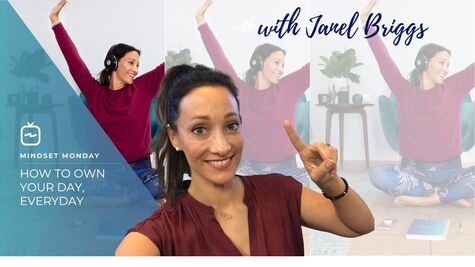 Watch full video here for more tipsYou start feeling more comfortable and confident in yourself and in your days. You wake up each morning, practice your routine and eventually find that you feel amazing. You feel amazing and your days and weeks and months are running smoother because you've been meditating every day, been writing in your journal every day, been moving your body every day, been eating a nutritious breakfast every day, been listening to music every day.
This compound effect of all these “little things”? AMAZING! Feeling motivated to get started? Do it! Not so motivated? Don’t wait! Why? Because you may never feel motivated to start, especially if it’s something new (or involves getting up earlier). Instead, take the leap, set your alarm, and jump in. Choose the one thing you’re going to start with and just start. Will it be easy? Maybe. That’s why taking gentle steps over time helps. But sometimes however you might need additional support along this morning routine journey. If this is the case, follow me at janelbriggs_thrive on Instagram and see how I use the "five to thrive " method or simply email me, [email protected] - I'd love to hear from you! Take care, JB
Back to Blog
What is your procrastination telling you?26/11/2020  Why is it that when we have so much to do, to run your business... that we sit and spin out wheels and do nothing at all?
To do lists a mile lone, calls to make, leads to follow up, deadlines looming like dark clouds. And we just can't get moving, zero motivation. Negative self-talk kicks in, and the anxiety. Procrastination would have to be the most guilt producing blocker on the planet! Why do we delay the work, when we know it’s got to be done? When we know working our business and client work is what brings in the income? Why is it so hard to jump in and tick things off the list? Procrastination is a sign of overwhelm. It is how our mind responds to the fact we are overloaded by the sheer volume of work and noise we have in our life. As a business owner the to do list is never ending. We become overwhelmed by what is required of us. There is the pressure (financial and other) of running the day to day business and managing life outside of the business. With so much going on it seems impossible to even choose what is most important, or what to do next. So, we procrastinate. It is easier to delay and postpone and find something else to do that takes our mind off all that we have to do. The issue with this however, is that it exacerbates the problem feeling we had in the first place. 4 SIMPLE IDEAS TO HELP YOU PUSH THROUGH THE PROCRASTINATION 1. Start Yesterday Prep your day, the day before. Write out your to do list the night BEFORE you leave the office. Make it the last thing you do before shutting down your laptop. List 3 things you do tomorrow. Just 3 things. Be realistic, this is not a brain dump of everything that you have circling your mind that needs doing. Sometimes your “to do list” of 50 URGENT items is the biggest trigger for procrastination. It is too overwhelming, where do you even start?! Instead, write a short list of your top 3 MUST DO’S. Remember: You can do anything, but not everything! 2. Start Early Studies tells us that your brain functions best an hour after you wake and is running at maximum productivity for the first 2-3 hours. Knowing this – find out when your peak productivity time is … and use it!
3. Eat the Frog I know it sounds like a strange concept (and now you’ll probably remember it!), but when you get to the office and look at the 3 things from your list ask yourself: What is the HARDEST thing on your list to do?
This concept shifts you forward into action, just imagine how productive you could be if you made “eat the frog” a daily habit? 4. “Chunk Down” Out of the Overwhelm You might be thinking “Well, I don’t even know what to write on my list I am that overwhelmed with what is coming at me right now”. When the brain fog is thick from stress and E V E R Y T H I N G feels overwhelming then here is a simple tool called chunking down, that will help bring you out of the overwhelm. Book 15mins of quiet reflection time, take a deep breath and asking yourself a couple questions to find clarity: What specifically is causing me to feel this way?
Chunking down allows you to get into the details and specifics of what is causing the overwhelm, understand what is blocking you and allows you to break it down into steps. Then everything doesn’t feel so daunting. Taking the first step helps you to kick start the momentum and push through that procrastination!
Back to Blog
Stepping out of your (career) comfort zone19/11/2020  Sometimes as career women, we find ourselves at a crossroads: do I stay in this job that pays the bills but doesn’t give me much else? Do I want to spend the next 2, 5, 10, years in the same career? In the same job? At the same company? In the same industry? Or do I… What if I… Could I… Is it possible to… See we think these questions, but then we also find ourselves afraid of the answers, because the answers often mean change, and change often means stepping out of our comfort zones, and stepping out of our comfort zones can be scary. Have you heard the saying, that there is no growth in your comfort zone? If not, think about it and tell me it’s not absolutely true. Are you REALLY able to grow if you’re staying comfortable at the same time? Now, you’re welcome to stay in your comfort zone as long as you like, especially if you’re happy with where you're at in your life, work, and career. But if you want to have more, be more, do more, or try more, then you've GOT to take a leap. And by taking that leap you’ll inevitably end up growing in the process and therefore stepping out of that (career) comfort zone. I recently had a client who was 25 years old and looking at going to university to study a new career. The time it would take for her to complete her studies would be 7 years, which was obviously a big commitment. It also meant that she would have to step wildly out of her comfort zone and into an entirely new industry, and it was THIS that was holding her back. Not so much the time commitment, but the idea that she’d be stepping out into the unknown. Whether you’re 25, 35, or 45, we often feel like it's too late to begin or we're too old or there isn't enough time or we don’t know how we could possibly make it work or… Now stop. Stop and answer me this: does it matter how long it takes if this is THE thing you've always a) wanted to do, or b) is the thing you want to do for the rest of your life? It yes, then time doesn't really matter. If yes, then it’s time to step out of your comfort zone, because if that thing that you want to do will set your soul and your passion on fire, then it doesn't matter how long it's going to take. You do it. You make it work. You ask for help. You reprioritise. You step out of your comfort zone and commit to the next stage. For me, I spent 15 years working in a corporate career. In my thirties, I shifted my corporate role and went back to study public relations. Not easy, but I did it, because I knew I wanted to change. When I left corporate and started running my own business, it took another even bigger jump out of my comfort zone to transition. But guess what? I found my true calling and passion, coaching other women with their mindset and businesses, and couldn’t be more happy or fulfilled. Was I scared? Yes! I had many, many fears. And how did I bust through them? Well I continued to remind myself that the work I wanted was bigger than my fears. The women I wanted and knew I could help were bigger than my fears. They were bigger than staying in my comfort zone. And so it was only by stepping out of my comfort zone that I was able to thrive… and help other women do the same.
So if you find yourself heading towards a career crossroad (or know you’re already smack in the middle of one), I can help. If you’re got that side hustle happening you think (or know) could be something more, I can help. With my Career Mindset Reset I can help you step out of your comfort zone and get you clear on:
Now will any of this be easy? Probably not. But I can guarantee this: it will definitely be worth it. Stepping out of your (career) comfort zone will bring you closer to your dreams. Closer to the life and business and career you envision for yourself. So if you have any questions about my the Reset or just stepping out of your career comfort zone in general, comment below or send me an email. I’d love to help you find clarity! JB
Back to Blog
Handling Relationship Conflict in ISO22/5/2020  Have you been feeling it ? That little (or big!) bubble of irritation coming up as you look at your partner or kids or house mates... who left this mess? Who's dishes are these? Where did that washing come from? Can you take the kids I am on a call? It's been a long period of ALL TOGETHERNESS during COVID-19. Staying home is what we need to do, and through doing the "right thing" our RELATIONSHIPS are being tested. We've probably never had so much time together in close quarters WITHOUT our external vices or an escape, have we? Small things that we took for granted like being able to hit the gym, go shopping or meet friends for a catch up are non-existent. In a research study I conducted in 2019 into Women's Stress and Anxiety in Australia the women who participated in the survey said that: "Downloading to a friend or family member was cited as the best way to manage their stress and anxiety, closely followed by exercise and scrolling through social media/watching TV". Our first two "go-to's" for stress release have been taken away, so I'm tipping we've gone ALL IN on the third one though without a doubt! ;) Which if you've read my blog on Calming Your Anxious Mind at Night you'll know the extra screen time has not been ideal for our much needed sleep. It is no wonder really without our external vices and with the lack of zzzz's that conflicts are arising at home. Behaviours or actions that wouldn't normally irritate us start to build up and really wear thin. The reason why? We feel constraint. And it is irritating. We are being told what we can and can't do, when we can and can't do it, and then we have to play the waiting game. It is so against our normal freedoms it feels like a friction. And who better to take that out on... than the people we love the most. The people who are also feeling all the feelz with us! We all know we are staying home for the "best reasons" but that doesn't change how it feels. And no one likes feeling constraint. No one. Certainly not me. I am unable to work and create and produce anything to my usual capability under home school and ISO restrictions. Are you? It is flat out frustrating. But, at the end of the day I know we are all just doing the best we can to get through. So, how can you settle the storms at home BEFORE a conflict arises? Watch below. In this video I share a few tips to help you get your mindset right, and relieve that tension before it erupts! A few simple tools to get your through working at home with your partner in ISO! 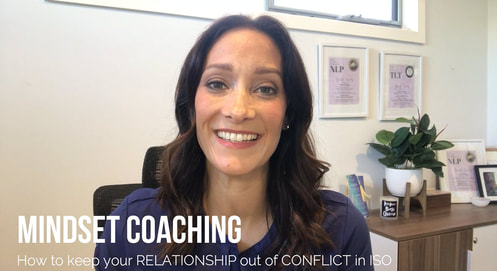
|
 RSS Feed
 |  |
Back to Blog

The One of the key reasons I was drawn to the coaching methodology of NLP was because the foundation itself is based on communication. It is all about our language. The way we speak to ourselves, speak to people, use our body language and our ability to actively listen to get to the root cause of a problem.
I have always had a fascination with communication. Creative writing was one of my favourite subjects at school, later in my 30’s I studied Public Relations which is essentially communicating a message to influence with words, still and moving imagery, and media.
Words have meaning, and often they have double meanings. It is the way we speak words that gives them emotion.
After learning how certain words have a NEGATIVE charge on our life I opted to delete a few from my vocab; here’s why:
The word “TRY” – a wishy washy word, that we all know means you won’t do it!
The word “DON’T” – I hear this one too often! “I don’t want that, or I don’t like it when he/she does this it makes me feel X”.
Now that little rant is over let’s talk...
The word "SHOULD"!
Louise Hay, author of many many personal development books explains this word the best:
“The word should is one of the most damaging words in our language. Every time we use should, we are, in effect, saying it's“WRONG”. Either we ARE wrong, or WERE wrong, or we are GOING TO BE wrong.”
I have to agree with her.
Think about it for a moment. Can you think of a situation when someone recently has said to you:
“You SHOULD do this, or you SHOULD handle it like that, or you SHOULD go this way” – How does that make you feel?
When I’ve been on the receiving end of “Should” talking - I know full well I am not taking that persons advice/suggestion. Even if its amazing advice! HA. Why? There is some sort of internal radar to the word “should” that tells me DO NOT DO IT! (especially if it’s my husband telling me, for some reason HAHA!).
How about you?
It is because we feel like the person is saying we have handled it WRONG, or we cannot handle the situation so we need to be told what to do.
Seriously, most of the time – women just want to be heard! Agree? We actually really want to communicate and connect - not be told what we should be doing.
SHOULD (replaced with) COULD
Now, imagine the same scenario where you’ve been told you “SHOULD” do something… and imagine hearing the word COULD instead?
“You COULD do this, or you COULD handle it like that, or you COULD go this way”. How does that feel? Better, right?
Why? Because when we replace our language with the word COULD – then we feel as though it gives us a CHOICE.
We don’t feel wrong, we just see it as being offered multiple options. And it puts a whole new light on the subject.
SHOULD (replaced with) WOULD
In a recent Instagram video I shared with my thrive community the power of replacing the word “SHOULD” with “WOULD” when delivering our communication wanting to help a person to come to a decision, or give direction.
I received some incredible feedback on how this simple shift in language has helped in the workplace when Managing a team, as well as in discussions with loved ones. Check it out here:
I have always had a fascination with communication. Creative writing was one of my favourite subjects at school, later in my 30’s I studied Public Relations which is essentially communicating a message to influence with words, still and moving imagery, and media.
Words have meaning, and often they have double meanings. It is the way we speak words that gives them emotion.
After learning how certain words have a NEGATIVE charge on our life I opted to delete a few from my vocab; here’s why:
The word “TRY” – a wishy washy word, that we all know means you won’t do it!
- Think about it - whenever you say “I’ll TRY to make it” everyone knows you are going to be there! You just didn’t want to say no and hurt anyone’s feelings or have fomo. Try implies you will “attempt” to do something. In that attempt you just aren’t sure if you will or you won’t. When you try you may or may not give it 100%. In my view you’re either in or out. You either believe in it or you don’t. If it is anything less than 100% - then just be honest and say what you really mean.
The word “DON’T” – I hear this one too often! “I don’t want that, or I don’t like it when he/she does this it makes me feel X”.
- The more you say the word “don’t” the further AWAY you move yourself (your mind and your actions) from what you actually WANT. And you typically get more of what you don’t want! Whereas reframing your language to focus on what you “WANT” … will give you more of what you actually want - LIGHT BULB MOMENT!!!! (ahhhhhuh lol).
Now that little rant is over let’s talk...
The word "SHOULD"!
Louise Hay, author of many many personal development books explains this word the best:
“The word should is one of the most damaging words in our language. Every time we use should, we are, in effect, saying it's“WRONG”. Either we ARE wrong, or WERE wrong, or we are GOING TO BE wrong.”
I have to agree with her.
Think about it for a moment. Can you think of a situation when someone recently has said to you:
“You SHOULD do this, or you SHOULD handle it like that, or you SHOULD go this way” – How does that make you feel?
When I’ve been on the receiving end of “Should” talking - I know full well I am not taking that persons advice/suggestion. Even if its amazing advice! HA. Why? There is some sort of internal radar to the word “should” that tells me DO NOT DO IT! (especially if it’s my husband telling me, for some reason HAHA!).
How about you?
It is because we feel like the person is saying we have handled it WRONG, or we cannot handle the situation so we need to be told what to do.
Seriously, most of the time – women just want to be heard! Agree? We actually really want to communicate and connect - not be told what we should be doing.
SHOULD (replaced with) COULD
Now, imagine the same scenario where you’ve been told you “SHOULD” do something… and imagine hearing the word COULD instead?
“You COULD do this, or you COULD handle it like that, or you COULD go this way”. How does that feel? Better, right?
Why? Because when we replace our language with the word COULD – then we feel as though it gives us a CHOICE.
We don’t feel wrong, we just see it as being offered multiple options. And it puts a whole new light on the subject.
SHOULD (replaced with) WOULD
In a recent Instagram video I shared with my thrive community the power of replacing the word “SHOULD” with “WOULD” when delivering our communication wanting to help a person to come to a decision, or give direction.
I received some incredible feedback on how this simple shift in language has helped in the workplace when Managing a team, as well as in discussions with loved ones. Check it out here:
Now that I have opened up your awareness to the power of your language, and the negative charge certain words create - you may start to notice how often you use them?
And, if you want to delete these words from your vocab – then go head!
This shift in language will help to move you closer to where you really want to be.
- Practice catching yourself before you speak.
- See if you can reframe the sentence - to remove old word and replace with the new
- Notice how it makes you feel AND how the message was delivered when you speak the new sentence
And, if you want to delete these words from your vocab – then go head!
This shift in language will help to move you closer to where you really want to be.
Back to Blog

Comparison: The Death of Joy
31/5/2019
Comparison is a trap.
I love how Rachel Hollis, entrepreneur, motivational speaker, and author of "Girl, Wash Your Face" so frankly says it:
"What everyone else is doing is... NONE OF YOUR DAMN BUSINESS"
In my previous corporate life, I worked with highly creative and driven people in a Public Relations team. I know firsthand, how easy it is to get stuck in the comparison trap. It feels like we are only as good as the last project we delivered, our last creation, or deal we scored. YAH!
In that environment our worth is usually defined by the pat on the back our boss gave us at our last review.
Looking over the cubicle fence at what our colleagues are achieving… highlights in BIG BOLD RED TEXTA all the things we haven’t been able to succeed at.
Running a business is no different.
In fact, comparison is deadly because in business you are in direct competition with EVERYONE ELSE, to make your income and to survive!
As a business owner having your finger on the pulse with what your competitors are doing, and what the market trends are, feels like something we always need to know, right?!
However, spending our time WATCHING what everyone else is doing can often become all consuming. Next thing you know our eyes are off our own business, as we are too busy trying to “keep up” with everyone else.
Comparison will STUNT your PROFESSIONAL GROWTH in two ways:
1. Self-doubt sets in. You take your eyes off your own work/business and begin to think… “what is going on over there…? How are they getting all those clients? ALL those opportunities?! Why are all those great things happening for them … and not for me??”
Have you been there? Anyone who has, will know that - no great achievements come out of this head space! Why? Because this frame of thinking moves you into a LACK mindset, stuck in victim-hood focusing on all the things you DON’T HAVE, and you second guess your ability to succeed.
2. You are striving to much to be JUST LIKE the person or the business you are comparing yourself to…. and yet you cannot seem to copy their formula for success. You are pushing and pushing, working hard, and yet….
No matter what you do, nothing is working!
Why is that? Because in reality you are CHASING someone else’s dream - instead of using your own gifts and talents to run your own race! It is not your journey!
When we spend ALL our time looking around at what EVERYONE ELSE is doing there is no time for us to follow our own path. We end up on a wild ride… most times in the wrong direction.
I see this ALL THE TIME where the comparison trap negatively impacts personal lives too.
When we compare our life to others, we remove our ability to live in the now AND find gratitude for what we already have.
The easiest way to experience JOY is by BEING PRESENT.
Remembering that everyone’s journey is different. Every person on this planet has a purpose. Your job is to find out what you are here to do - and be amazing at that!
And please, if you see someone doing something GREAT – instead of comparing -think again.... and choose to celebrate their win!
Giving JOY feels just as good as receiving ;)
Finally, if you are in a pattern of comparison right now the first step to break it is to KEEP YOUR BLINKERS ON and run your own race! Realise that you have a gift and you are meant to share it - in your own personal way.
Today this is your reminder - you have everything you need within you to succeed, stop comparing and find your own joy.
I love how Rachel Hollis, entrepreneur, motivational speaker, and author of "Girl, Wash Your Face" so frankly says it:
"What everyone else is doing is... NONE OF YOUR DAMN BUSINESS"
In my previous corporate life, I worked with highly creative and driven people in a Public Relations team. I know firsthand, how easy it is to get stuck in the comparison trap. It feels like we are only as good as the last project we delivered, our last creation, or deal we scored. YAH!
In that environment our worth is usually defined by the pat on the back our boss gave us at our last review.
Looking over the cubicle fence at what our colleagues are achieving… highlights in BIG BOLD RED TEXTA all the things we haven’t been able to succeed at.
Running a business is no different.
In fact, comparison is deadly because in business you are in direct competition with EVERYONE ELSE, to make your income and to survive!
As a business owner having your finger on the pulse with what your competitors are doing, and what the market trends are, feels like something we always need to know, right?!
However, spending our time WATCHING what everyone else is doing can often become all consuming. Next thing you know our eyes are off our own business, as we are too busy trying to “keep up” with everyone else.
Comparison will STUNT your PROFESSIONAL GROWTH in two ways:
1. Self-doubt sets in. You take your eyes off your own work/business and begin to think… “what is going on over there…? How are they getting all those clients? ALL those opportunities?! Why are all those great things happening for them … and not for me??”
Have you been there? Anyone who has, will know that - no great achievements come out of this head space! Why? Because this frame of thinking moves you into a LACK mindset, stuck in victim-hood focusing on all the things you DON’T HAVE, and you second guess your ability to succeed.
2. You are striving to much to be JUST LIKE the person or the business you are comparing yourself to…. and yet you cannot seem to copy their formula for success. You are pushing and pushing, working hard, and yet….
No matter what you do, nothing is working!
Why is that? Because in reality you are CHASING someone else’s dream - instead of using your own gifts and talents to run your own race! It is not your journey!
When we spend ALL our time looking around at what EVERYONE ELSE is doing there is no time for us to follow our own path. We end up on a wild ride… most times in the wrong direction.
I see this ALL THE TIME where the comparison trap negatively impacts personal lives too.
When we compare our life to others, we remove our ability to live in the now AND find gratitude for what we already have.
- Because we are too busy living in our own head
- Focusing on what you DON’T have all the time and comparing your situation to someone else’s leaves us in a negative head space
- It is a road block to being able to attract what you actually WANT in your life
The easiest way to experience JOY is by BEING PRESENT.
Remembering that everyone’s journey is different. Every person on this planet has a purpose. Your job is to find out what you are here to do - and be amazing at that!
And please, if you see someone doing something GREAT – instead of comparing -think again.... and choose to celebrate their win!
Giving JOY feels just as good as receiving ;)
Finally, if you are in a pattern of comparison right now the first step to break it is to KEEP YOUR BLINKERS ON and run your own race! Realise that you have a gift and you are meant to share it - in your own personal way.
Today this is your reminder - you have everything you need within you to succeed, stop comparing and find your own joy.
Back to Blog

Being a tragic people pleaser from day dot saying “No” to people used to be really hard for me. I found the feeling is usually one of three things. Either you don’t want to let people down (urgh!), you don’t want them to think badly of you (argh…), or it’s a total FOMO (fear of missing out).
Can you relate?
Let me ask you - how many times in the past month have you said YES, when you really want to say NO? No doubt... there will be a few.
We all do it. Why can’t we just say “NO! I’m at capacity with life juggling my own commitments! ” (ha!)
Well, the reason is we like to “people please”.
We all strive to be good humans. Fundamentally you want to be kind and helpful, right? You want to be that person that people can always count on. In fact, you probably spend a lot of your time doing things for other people… to make yourself feel good. Yes? Because people’s opinions of you should matter, right?
Having a “servant’s heart” and being of service will absolutely make you feel good. However, doing it for the purpose of wanting someone else to LIKE you, INCLUDE you, LOVE you, or to change their OPINION of you… totally defeats the feel good purpose.
This may shock you - people pleasing (saying YES – when really you mean NO) is actually all about YOU having control.
It’s you trying to control someone else’s opinion of you. #truthbomb!
It is saying yes to someone for the sole reason that they will continue to like and respect you. Even when you don’t have the time and you desperately want to say no. Or sometimes you just do it to keep the peace, to smooth things over.
Ultimately to make THEM happy. Because their happiness must be more important than yours, right? Their opinion of you must mean more than your opinon of yourself, right?
Or perhaps you think when they are happy, it’s a flow on effect and you should be happy then too?
Actually no. It doesn’t work like that at all.
People pleasing leads to the polar opposite. RESENTMENT.
How many times have you done something for someone, and then when you’ve asked for that favour back the person was “too busy” and said no?! And you soon realise that not everyone is like you. Not everyone will drop their plans to assist you, to help you in a pinch, to “please” you.
Or perhaps they said yes and agreed to help you out… only they didn’t really put in as much effort as you did for them… or they didn’t do it to your standards?? Yep. Gotcha!
Resentment kicks in, a notch on the tally board. You become hurt and promise yourself you will not let that situation happen again, you’ll just do it yourself next time.
People pleasers have high expectations. We intrinsically expect to get back all that we give out. Most of the time, our expectations are not met.
If you are now becoming aware of the people pleasing pattern in your life - then here is where I can help – no favours expected back in return ;). When someone asks you for your help and you feel compelled but know it is going to throw your priorities out of wack - take 60 seconds to respond and first:
ASK YOURSELF 5 "PEOPLE PLEASING" QUESTIONS:
If you answered YES to any of these questions – then… just say NO! You are not doing it for the right reasons.
It is likely negative emotions like resentment, guilt, and fear of other people’s opinions of you will bubble up and fester in YOU. Save yourself the heartache today.
Honestly, people will find someone else to do that “really urgent, super important thing”.
As I shared in my last blog article self-medicating with busy there is something really powerful in the word NO. This may be a new concept for you – “No” can actually be a full sentence!
“No, I wish I could but I can’t help with that” - doesn’t have to be backed up with excuses, reasons, or an explanation. It’s just your answer.
The word No sets a boundary to protect your time and your energy.
It gives you the power and ability to make decisions for yourself. When you begin to take this power back and guard your time you will see that other people in your life start to do things for themselves and find other ways to accomplish things.
WOW! Imagine that.
It is OK to say NO! And to give up trying to control how people see you. WE are only ever responsible for ourselves. You cannot ever fully control people’s opinions or thoughts about you.
You are you. People will love you anyway. People always understand. If they don’t – then perhaps you should be looking at who you are spending time with?
Are they draining your energy and not respectful of YOUR time and your PRIORITIES?
Saying No is a learned skill… it will take practice.
Once you do it the first time then every time after that becomes a little easier.
And if it turns out that it’s just FOMO – then ask yourself, is there another time I can be involved when I have less on my plate? If the answer is yes, then give yourself a break and say no. If it’s a ONCE IN A LIFETIME OPPORTUNITY… then say yes, and compromise – agree to cancel something else to make room.
Keeping your layers of “busy” within reason is they key to finding balance.
What’s the most important thing? YOU are the most important thing in your life.
Protect your time and your energy, to thrive.
Can you relate?
Let me ask you - how many times in the past month have you said YES, when you really want to say NO? No doubt... there will be a few.
We all do it. Why can’t we just say “NO! I’m at capacity with life juggling my own commitments! ” (ha!)
Well, the reason is we like to “people please”.
We all strive to be good humans. Fundamentally you want to be kind and helpful, right? You want to be that person that people can always count on. In fact, you probably spend a lot of your time doing things for other people… to make yourself feel good. Yes? Because people’s opinions of you should matter, right?
Having a “servant’s heart” and being of service will absolutely make you feel good. However, doing it for the purpose of wanting someone else to LIKE you, INCLUDE you, LOVE you, or to change their OPINION of you… totally defeats the feel good purpose.
This may shock you - people pleasing (saying YES – when really you mean NO) is actually all about YOU having control.
It’s you trying to control someone else’s opinion of you. #truthbomb!
It is saying yes to someone for the sole reason that they will continue to like and respect you. Even when you don’t have the time and you desperately want to say no. Or sometimes you just do it to keep the peace, to smooth things over.
Ultimately to make THEM happy. Because their happiness must be more important than yours, right? Their opinion of you must mean more than your opinon of yourself, right?
Or perhaps you think when they are happy, it’s a flow on effect and you should be happy then too?
Actually no. It doesn’t work like that at all.
People pleasing leads to the polar opposite. RESENTMENT.
How many times have you done something for someone, and then when you’ve asked for that favour back the person was “too busy” and said no?! And you soon realise that not everyone is like you. Not everyone will drop their plans to assist you, to help you in a pinch, to “please” you.
Or perhaps they said yes and agreed to help you out… only they didn’t really put in as much effort as you did for them… or they didn’t do it to your standards?? Yep. Gotcha!
Resentment kicks in, a notch on the tally board. You become hurt and promise yourself you will not let that situation happen again, you’ll just do it yourself next time.
People pleasers have high expectations. We intrinsically expect to get back all that we give out. Most of the time, our expectations are not met.
If you are now becoming aware of the people pleasing pattern in your life - then here is where I can help – no favours expected back in return ;). When someone asks you for your help and you feel compelled but know it is going to throw your priorities out of wack - take 60 seconds to respond and first:
ASK YOURSELF 5 "PEOPLE PLEASING" QUESTIONS:
- Am I saying yes, because I want to do it? Or because I feel compelled to please someone?
- Am I saying yes, to control someone else’s opinion of me? Am I fearful of what they will say about me if I don’t do it?
- Am I saying yes, because I “have to” and I really don’t want to?
- Am I saying yes, because someone is putting me in a bind to do this thing?
- Am I saying yes, because I don’t know how to say no?
If you answered YES to any of these questions – then… just say NO! You are not doing it for the right reasons.
It is likely negative emotions like resentment, guilt, and fear of other people’s opinions of you will bubble up and fester in YOU. Save yourself the heartache today.
Honestly, people will find someone else to do that “really urgent, super important thing”.
As I shared in my last blog article self-medicating with busy there is something really powerful in the word NO. This may be a new concept for you – “No” can actually be a full sentence!
“No, I wish I could but I can’t help with that” - doesn’t have to be backed up with excuses, reasons, or an explanation. It’s just your answer.
The word No sets a boundary to protect your time and your energy.
It gives you the power and ability to make decisions for yourself. When you begin to take this power back and guard your time you will see that other people in your life start to do things for themselves and find other ways to accomplish things.
WOW! Imagine that.
It is OK to say NO! And to give up trying to control how people see you. WE are only ever responsible for ourselves. You cannot ever fully control people’s opinions or thoughts about you.
You are you. People will love you anyway. People always understand. If they don’t – then perhaps you should be looking at who you are spending time with?
Are they draining your energy and not respectful of YOUR time and your PRIORITIES?
Saying No is a learned skill… it will take practice.
Once you do it the first time then every time after that becomes a little easier.
And if it turns out that it’s just FOMO – then ask yourself, is there another time I can be involved when I have less on my plate? If the answer is yes, then give yourself a break and say no. If it’s a ONCE IN A LIFETIME OPPORTUNITY… then say yes, and compromise – agree to cancel something else to make room.
Keeping your layers of “busy” within reason is they key to finding balance.
What’s the most important thing? YOU are the most important thing in your life.
Protect your time and your energy, to thrive.